
Facilities
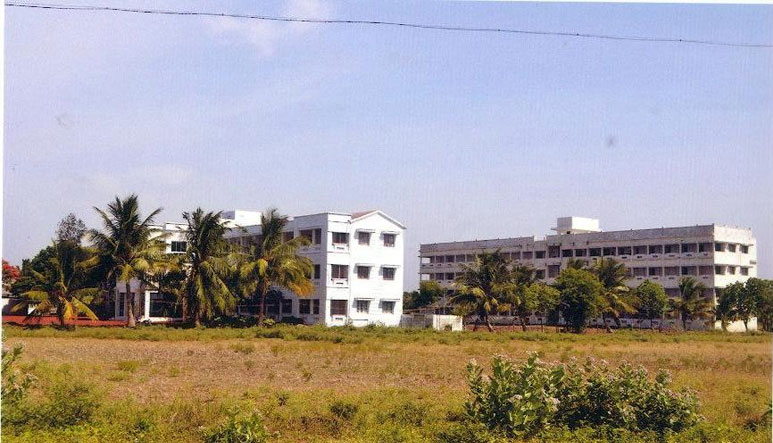
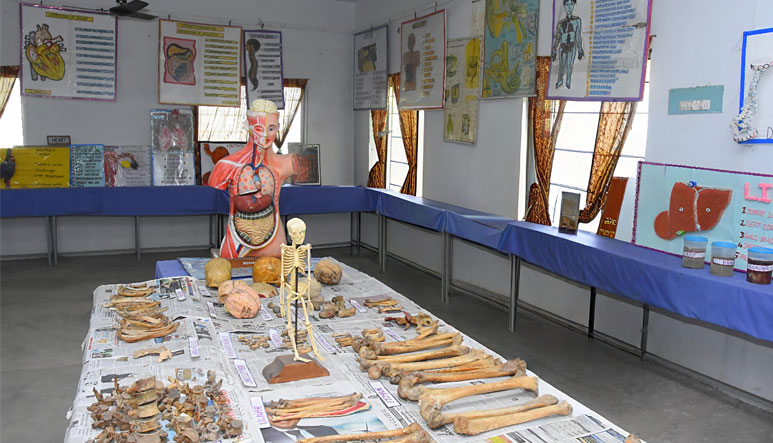
Mannai Narayanasamy College of Physiotherapy provides comprehensive, well-equipped laboratories and clinical facilities that support experiential learning, skill development, and evidence-based physiotherapy practice. Each laboratory is designed in accordance with University norms to facilitate hands-on training, clinical competency, and research orientation across major physiotherapy specialties.
Exercise Therapy Laboratory
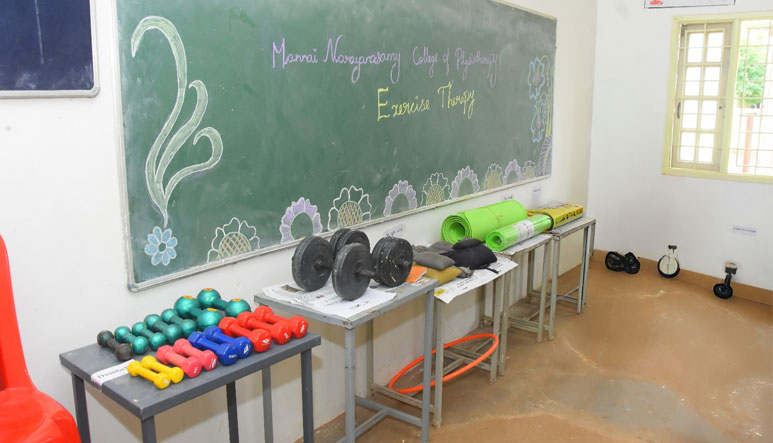
The Exercise Therapy Laboratory is designed to train students in therapeutic exercise prescription and functional rehabilitation. The laboratory supports the development of strength, endurance, flexibility, balance, posture, and coordination skills essential for patient recovery.
Facilities & Equipment Include:
- Parallel bars and gait training units
- Shoulder wheels and pulley systems
- Exercise cycles and treadmills
- Multi-gym and resistance training equipment
- Weight cuffs, dumbbells, resistance bands
- Therapy balls, balance boards, and posture assessment tools
Clinical Training Focus:
- Muscle strengthening and endurance training
- Post-operative and post-injury rehabilitation
- Functional mobility and gait re-education
- Sports and fitness rehabilitation
Electrotherapy Laboratory
The Electrotherapy Laboratory is equipped with modern electro-medical devices used for pain management, tissue healing, and neuromuscular stimulation. Students receive training in safe application, dosage selection, and contraindications.
Facilities & Equipment Include:
- Ultrasound therapy units
- Interferential Therapy (IFT) machines
- Transcutaneous Electrical Nerve Stimulation (TENS) units
- Short Wave Diathermy (SWD) units
- Traction units (cervical and lumbar)
- Infrared and ultraviolet therapy devices
Clinical Training Focus:
- Pain modulation and inflammation control
- Soft tissue and joint condition management
- Neuromuscular stimulation and recovery protocols
Orthopaedic Physiotherapy Laboratory
The Orthopaedic Physiotherapy Laboratory focuses on assessment and rehabilitation of musculoskeletal disorders involving bones, joints, muscles, and connective tissues.
Facilities & Equipment Include:
- Goniometers and measuring tapes
- Hand-held dynamometers
- Orthopaedic assessment charts and models
- Joint mobilization and manipulation aids
- Fracture rehabilitation and post-surgical care equipment
Clinical Training Focus:
- Musculoskeletal assessment techniques
- Post-fracture and post-operative rehabilitation
- Management of arthritis, back pain, and sports injuries
Neurological Physiotherapy Laboratory
The Neurological Physiotherapy Laboratory supports training in neuro-rehabilitation techniques for patients with central and peripheral nervous system disorders.
Facilities & Equipment Include:
- Parallel bars and gait trainers
- Balance boards and coordination trainers
- Therapy mats and posture correction mirrors
- Walkers, canes, and assistive devices
- Neurological assessment tools
Clinical Training Focus:
- Stroke rehabilitation
- Spinal cord injury management
- Cerebral palsy and neurodevelopmental disorders
- Parkinson’s disease and other neurological conditions
Cardio-Pulmonary Physiotherapy Laboratory
The Cardio-Pulmonary Physiotherapy Laboratory is dedicated to training students in respiratory care and cardiac rehabilitation techniques.
Facilities & Equipment Include:
- Spirometers and incentive spirometers
- Peak flow meters and pulse oximeters
- Chest physiotherapy models
- Aerobic conditioning equipment
Clinical Training Focus:
- Respiratory physiotherapy techniques
- Post-operative pulmonary care
- Cardiac rehabilitation and exercise prescription
- Chronic respiratory disease management
Clinical Training Facilities & Out-Patient Department (OPD)
The college maintains a well-equipped Physiotherapy Out-Patient Department (OPD) that provides real-time clinical exposure to students under faculty supervision.
Clinical Exposure Includes:
- Patient assessment and treatment planning
- Hands-on therapeutic intervention
- Case documentation and outcome evaluation
- Ethical patient interaction and communication
Students undergo structured clinical postings in Orthopaedics, Neurology, Cardio-Pulmonary, Sports, Pediatric, Geriatric, and Community Physiotherapy, ensuring holistic clinical competence.
Library & Learning Support (Clinical Integration)
Clinical training is supported by a digital-enabled library with access to textbooks, national and international journals, research databases, and evidence-based clinical resources, enabling students to integrate theory with practice.
Outcome-Oriented Training
Through these laboratories and clinical facilities, the institution ensures that students:
- Develop strong clinical reasoning and hands-on skills
- Gain confidence in independent patient management
- Practice ethical, evidence-based physiotherapy
- Are industry-ready for hospital, community, and private practice roles
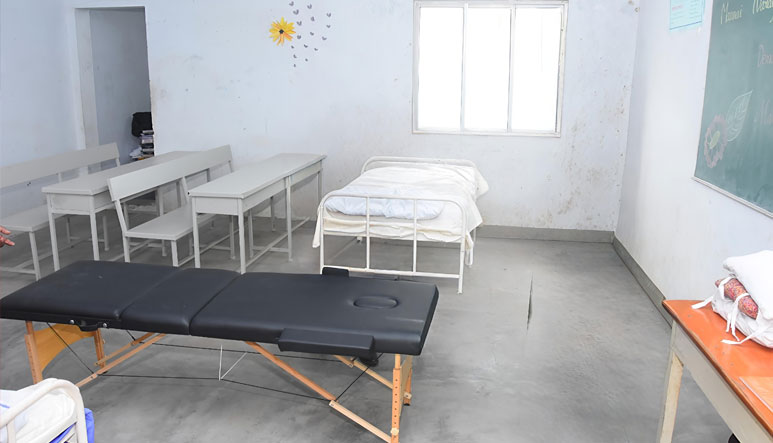
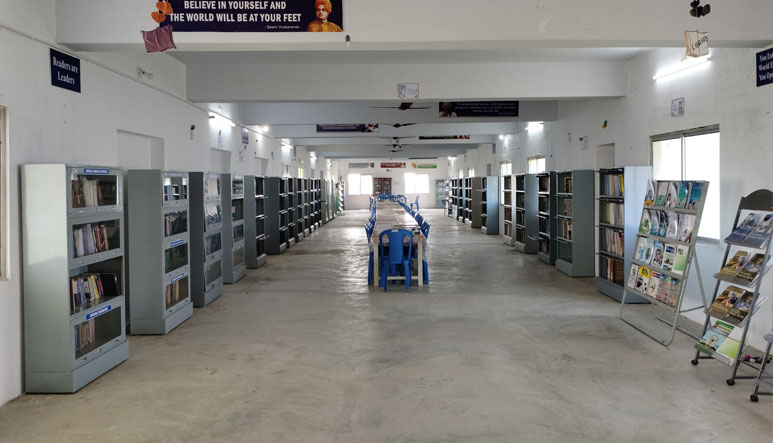
Mannai Narayanasamy College of Physiotherapy offers a well-planned academic and residential infrastructure designed to support effective learning, clinical training, and holistic student development. The campus infrastructure complies with University and statutory requirements and provides a safe, student-friendly learning environment.
Classrooms & Academic Facilities
The college has spacious, well-ventilated lecture halls designed to facilitate effective teaching and interactive learning.
Key Features:
- Multimedia-enabled classrooms with LCD projectors
- Audio-visual teaching aids for demonstrations and presentations
- Ergonomically designed seating arrangements
- Adequate lighting and ventilation
- Facilities for theory lectures, seminars, and group discussions
These classrooms support both traditional and modern teaching methodologies, enhancing student engagement and comprehension.
Library & Learning Resource Centre
The institution maintains a well-organized, digital-enabled library that supports academic learning, clinical practice, and research activities.
Library Facilities Include:
- Extensive collection of textbooks in Physiotherapy and Medical Sciences
- National and international physiotherapy journals
- Access to online databases and e-journals (including PubMed)
- Reference materials for UG and PG programs
- Reading and study areas for students and faculty
The library plays a vital role in promoting evidence-based learning and research-oriented education.
Hostel Facilities
The college provides separate hostel facilities for boys and girls, ensuring a safe, comfortable, and disciplined residential environment.
Hostel Features:
- Secure accommodation with round-the-clock supervision
- Well-ventilated rooms with basic amenities
- Hygienic and nutritious mess facilities
- Regular housekeeping and sanitation
- Study-friendly atmosphere conducive to academic focus
Sports & Fitness Facilities
Recognizing the importance of physical fitness in healthcare education, the institution promotes active participation in sports and fitness activities.
Facilities Include:
- Spacious playgrounds for outdoor sports such as cricket, football, and volleyball
- Indoor games facilities for badminton and table tennis
- Well-equipped gymnasium with modern fitness equipment
- Opportunities for inter-departmental and inter-collegiate sports events
Sports activities help develop teamwork, leadership, discipline, and physical well-being among students.
Transport Facilities
Mannai Narayanasamy College of Physiotherapy offers institution-arranged transport facilities for students and staff from nearby areas.
Transport Highlights:
- College buses covering major routes
- Easy access to public transport
- Proximity to bus stop and railway station
- Safe and convenient commuting arrangements
Safety, Security & Campus Environment
The campus ensures a safe and disciplined environment through:
- Well-maintained campus security
- Strict anti-ragging measures
- Clean, green, and eco-friendly surroundings
- Student-centric administrative support
Outcome-Focused Infrastructure
The integrated infrastructure and facilities ensure that students:
- Learn in a supportive and professionally managed environment
- Gain uninterrupted academic and clinical exposure
- Develop physically, intellectually, and ethically
- Are prepared for professional responsibilities in healthcare settings